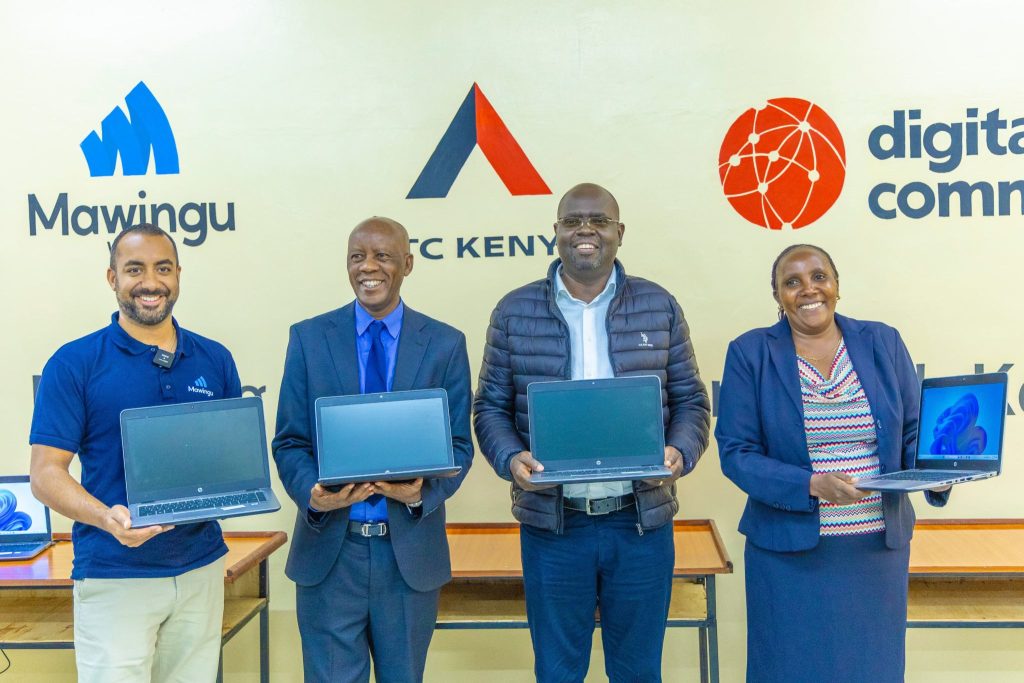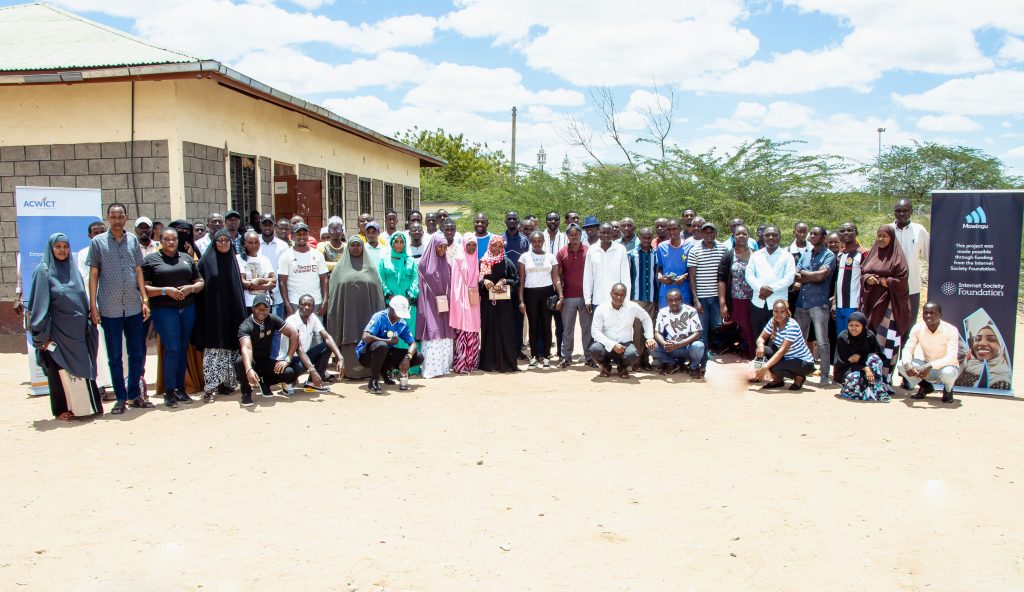
For a long time, students with learning difficulties, especially at Wajir School for the Deaf, have faced challenges in accessing information on their own. Learning mostly depended on limited materials and support from teachers.
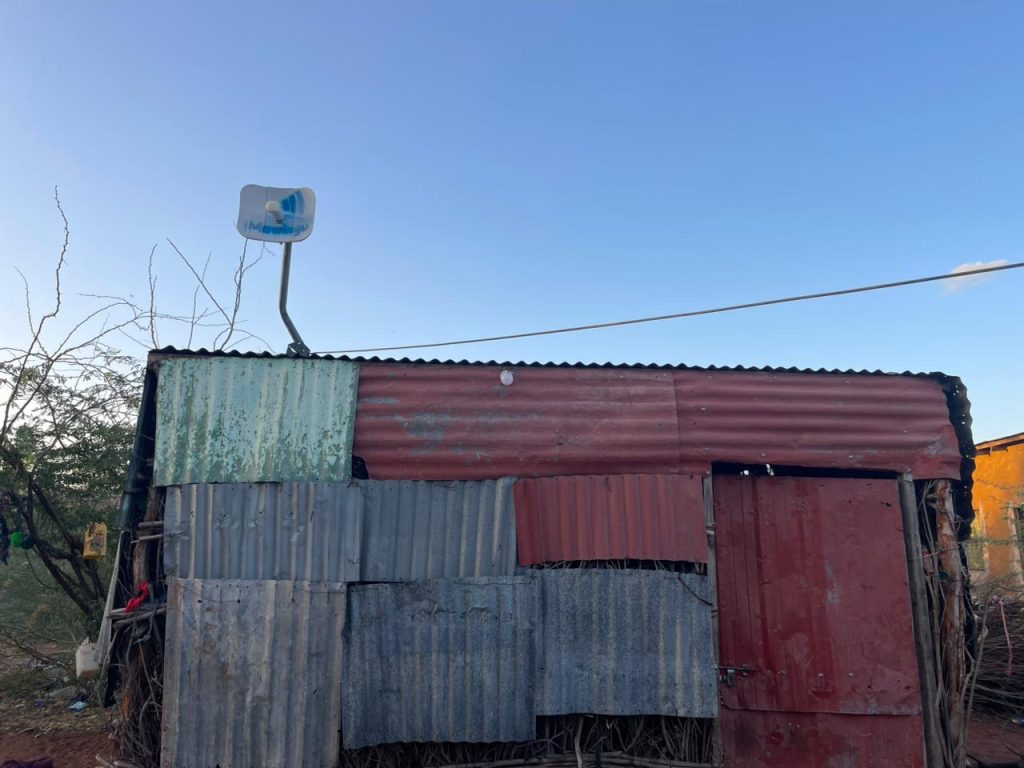
With internet connectivity provided by Mawingu Foundation in partnership with the Internet Society Foundation, the school is experiencing a shift in how teaching and learning takes place. Classrooms are becoming more interactive, and students are finding new ways to access and understand information.
“The Internet is a great equalizer. When a child in Wajir can access the same information as a child in Nairobi, that is when real development happens. That is when opportunity stops being determined by geography,” said Farouk Ramji, CEO of Mawingu.
For Farouk, connectivity is not a convenience but the foundation on which everything else is built. “Without affordable access, online education and the promise of artificial intelligence simply do not exist for millions of people. We are the fundamental component of how people can change their lives.”
Dr. Lona Irene, the school’s Deputy Principal, explains that their students are predominantly visual learners, a reality that has always made teaching more demanding and resource intensive.
“Mawingu internet has opened up new possibilities for us. Sign language in Kenya is evolving, and we need to stay connected with other regions to agree on standardised signs. We also use it to video call parents who want to check in on how their child is doing,” she says.
Since getting connected, teachers at Wajir School for the Deaf have embraced a new way of teaching using videos, animations and interactive visual tools that bring lessons to life in ways that were simply not possible before.

“Some concepts are inherently abstract. Mathematics, for instance, is difficult to explain without visual aid. Mawingu internet allows us to project content in a way that learners can actually conceptualise,” says Frank Onchama.
For deaf learners, this shift is significant. Visual content does not just make lessons easier to follow. It fundamentally changes how understanding is built.
Learning has also moved beyond the classroom. Students are no longer confined to lesson time. With internet access, they can revisit topics, learn at their own pace, and continue exploring both in school and at home.
“Learners can now go back to lessons and study during their own time. That independence has made our work as teachers much easier,” Frank adds. “They are also using the internet to follow what is happening in the world around them. That exposure is helping them feel more connected and included, and it is broadening their horizons in ways we did not expect.”
Before connectivity, explaining certain topics, particularly those requiring visualization, could take considerably longer. Today, lessons are more practical, more dynamic, and easier to follow. There is also a noticeable shift in how students engage. Curiosity is growing. Students are asking more questions, exploring topics beyond the curriculum, and participating more actively in class.
With the support of Mawingu Foundation, Wajir School for the Deaf is building a better learning environment for its students, where reliable, affordable internet is not just a communication tool but a doorway to education, confidence, and social inclusion.
To learn more about Mawingu Foundation, you can contact Charles Watiri on charles.watiri@mawingu.co or visit Mawingu Foundation