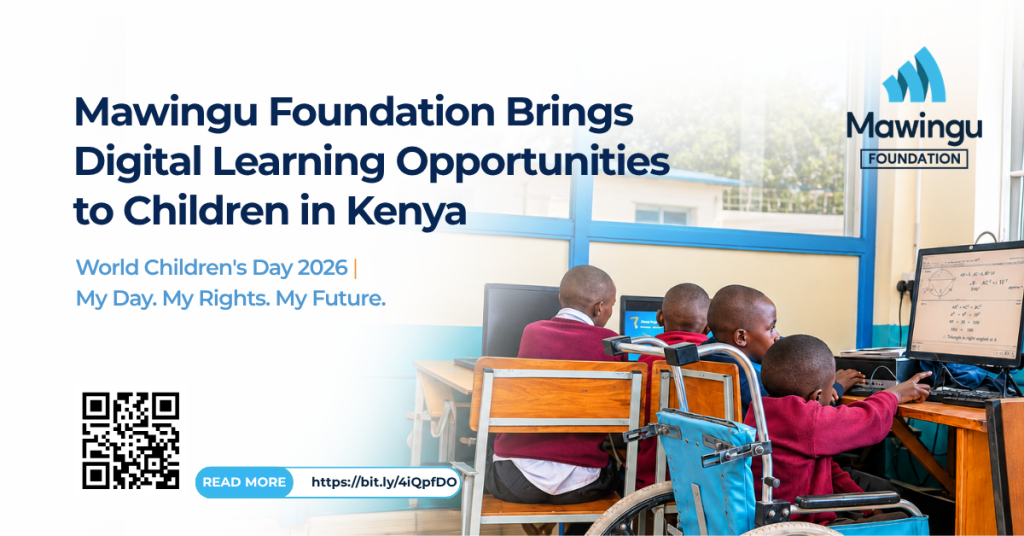
World Children’s Day 2026 | My Day. My Rights. My Future.
Children should have the opportunity to learn, discover their abilities and prepare for the future. But they all experience education in different ways. For learners with disabilities, access to appropriate learning materials, technology, and teaching resources can make a significant difference in how they participate in the classroom.
This World Children’s Day, the theme My Day. My Rights. My Future. draws attention to the importance of listening to children, recognising their rights and creating opportunities for them to shape their futures. Access to quality and inclusive education is an important part of that conversation.
Through its school connectivity and digital inclusion initiatives, Mawingu Foundation is helping underserved schools in Kenya access internet connectivity and digital resources that support teaching and learning. The experiences of schools connected through the Foundation show how these opportunities are being put to use in different classrooms.
Mawingu Foundation and inclusive digital education
Schools have different learning needs. Some learners benefit from visual materials, others require audio resources, while some depend on specialised learning materials such as Braille. Internet connectivity gives teachers another way to find information and resources that can support these different approaches.
Likii Special School in Laikipia, which serves learners with intellectual disabilities, is among the schools featured in the Mawingu Foundation’s 2025 Impact Report. The report highlights classroom activities involving digital images, which teachers use to help learners identify and connect pictures with real objects. It also recognises the importance of resources for Braille and pre-Braille activities.
These examples show why access to digital resources matters. Technology can give teachers additional ways to prepare lessons and support learners with different needs.
From computer laboratories to interactive classrooms
The experience at Masaku School for the Physically Disabled in Machakos County demonstrates how connectivity can extend the use of equipment a school already has.
The school had a computer laboratory with desktop computers, but financial constraints had made it difficult to install Wi-Fi. Through the Mawingu Foundation, the school received internet connectivity, with routers installed across the computer laboratory, classrooms, staff room and administration block.
Students now use the computers to research assignments, explore topics beyond their textbooks and prepare presentations using tools such as PowerPoint. Teachers can also access educational videos, images and YouTube demonstrations to make lessons more practical. During Physical Education lessons, for instance, students can watch demonstrations of different games before practising them.
Digital resources supporting different ways of learning
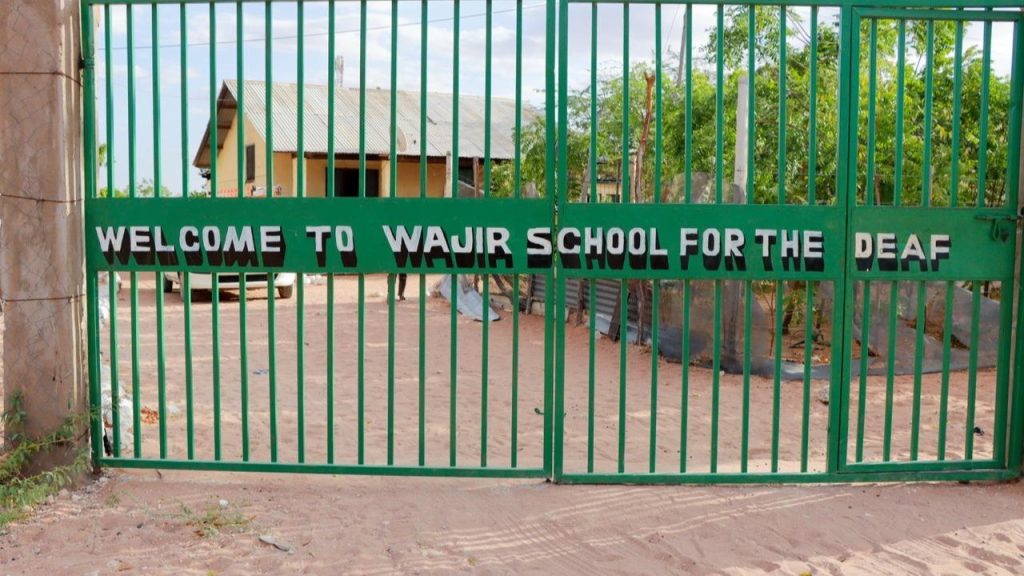
Similar opportunities are taking shape in other parts of the country. Through connectivity and digital skills initiatives, Wajir School for the Deaf uses videos, animations and visual resources to support classroom teaching. Teachers can also access information on Kenyan Sign Language and communicate with parents.
In Garissa, teachers at Garissa School for the Deaf are using platforms such as Google Classroom and eKitabu, which incorporates Kenyan Sign Language into educational content. Projected videos and images provide additional ways for learners to engage with lessons.
The needs of these schools are different, and so are the ways they use technology. What connects their experiences is the opportunity for teachers to reach more learning resources and make lessons more accessible to their students.
Making every child’s future count
World Children’s Day is a reminder that children’s rights must be reflected in their everyday experiences, including the education they receive and the opportunities available to them. For children with disabilities, this means creating learning environments where their needs are recognised and they can participate, develop their abilities and explore their potential.
Through its work with schools, Mawingu Foundation is contributing to this effort by extending internet access and supporting the use of digital resources in education. Connectivity alone does not solve every challenge facing special schools, but it can give teachers and learners more tools to work with.
To learn more about Mawingu Foundation and its work in promoting digital inclusion and expanding opportunities for underserved communities across Kenya, visit the Mawingu Foundation website or contact charles.watiri@mawingu.co .